How did Jaipur’s observatory take shape?
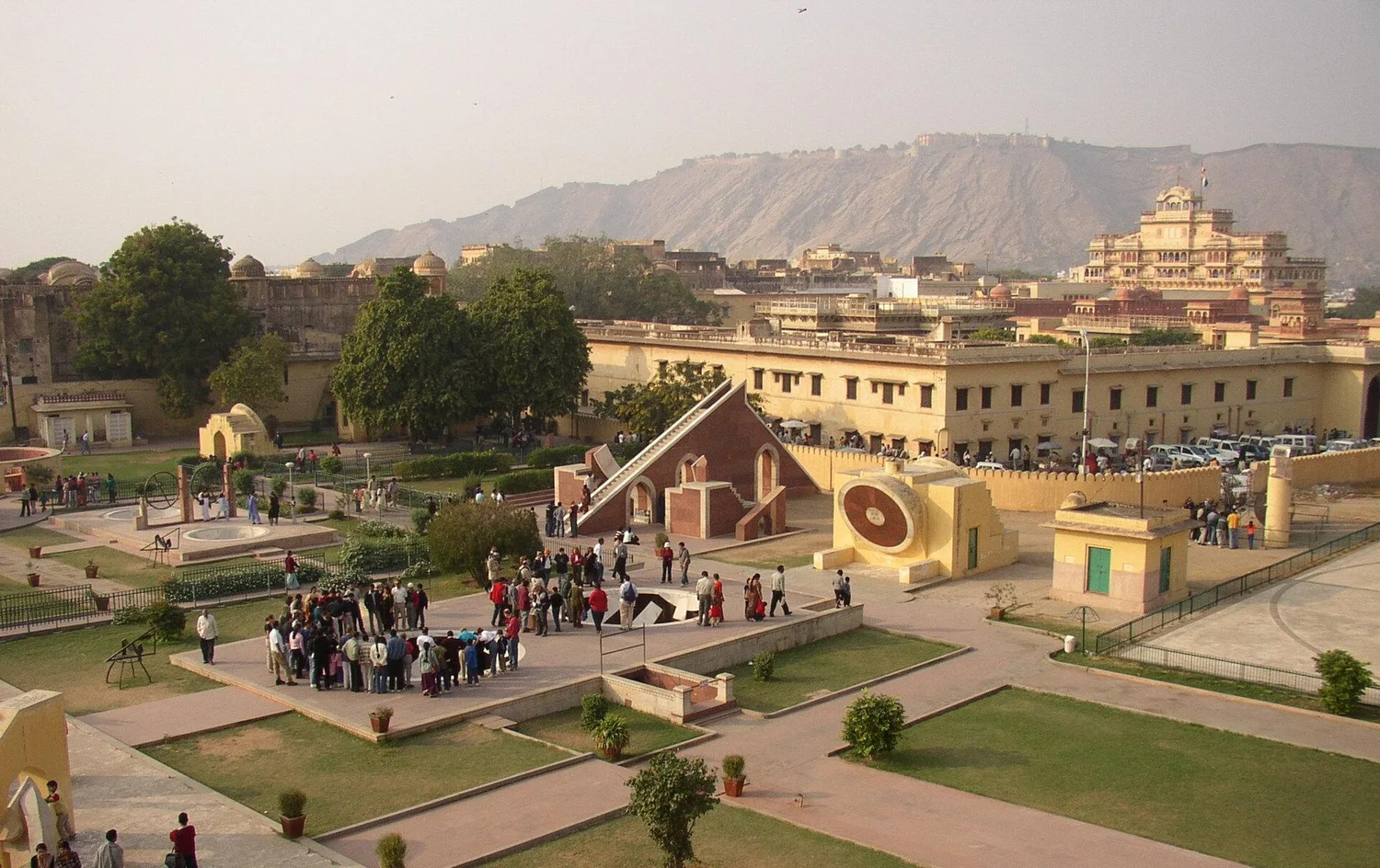
Sawai Jai Singh II ordered the Jaipur observatory in the early eighteenth century as part of a broader effort to improve astronomical calculation. Work took place around 1728–1734, using large masonry instruments rather than only small portable devices. The complex is now part of UNESCO’s World Heritage listing for the Jantar Mantar observatories. Its open courtyards let visitors see how carefully angled structures track time and celestial positions, although understanding them takes more than a quick photograph.
What instruments should visitors notice?
The Samrat Yantra is the monumental sundial that dominates the site, while other instruments were designed for specific observations and calculations. Read the explanatory signs or hire an authorized guide so the shapes have meaning; a guided circuit can make the visit far more engaging for children and adults. Respect barriers around the instruments and do not climb on the stonework. The courtyard is exposed to sun, so carry a hat and water. The experience differs from a conventional museum because the architecture itself is the working exhibit.
When is the observatory easiest to explore?
Choose a clear morning or late afternoon to avoid the strongest heat and improve visibility. Allow around one to two hours, or more if a guide explains each structure. Ticket prices for Indian and foreign visitors and opening schedules are subject to change; ask the observatory desk for today’s admission details. Rain or cloud cover may affect the clarity of some observations but not the architectural visit. Arrive with enough time before closing instead of assuming the listed window will remain unchanged.
Where is the nearest practical car drop?
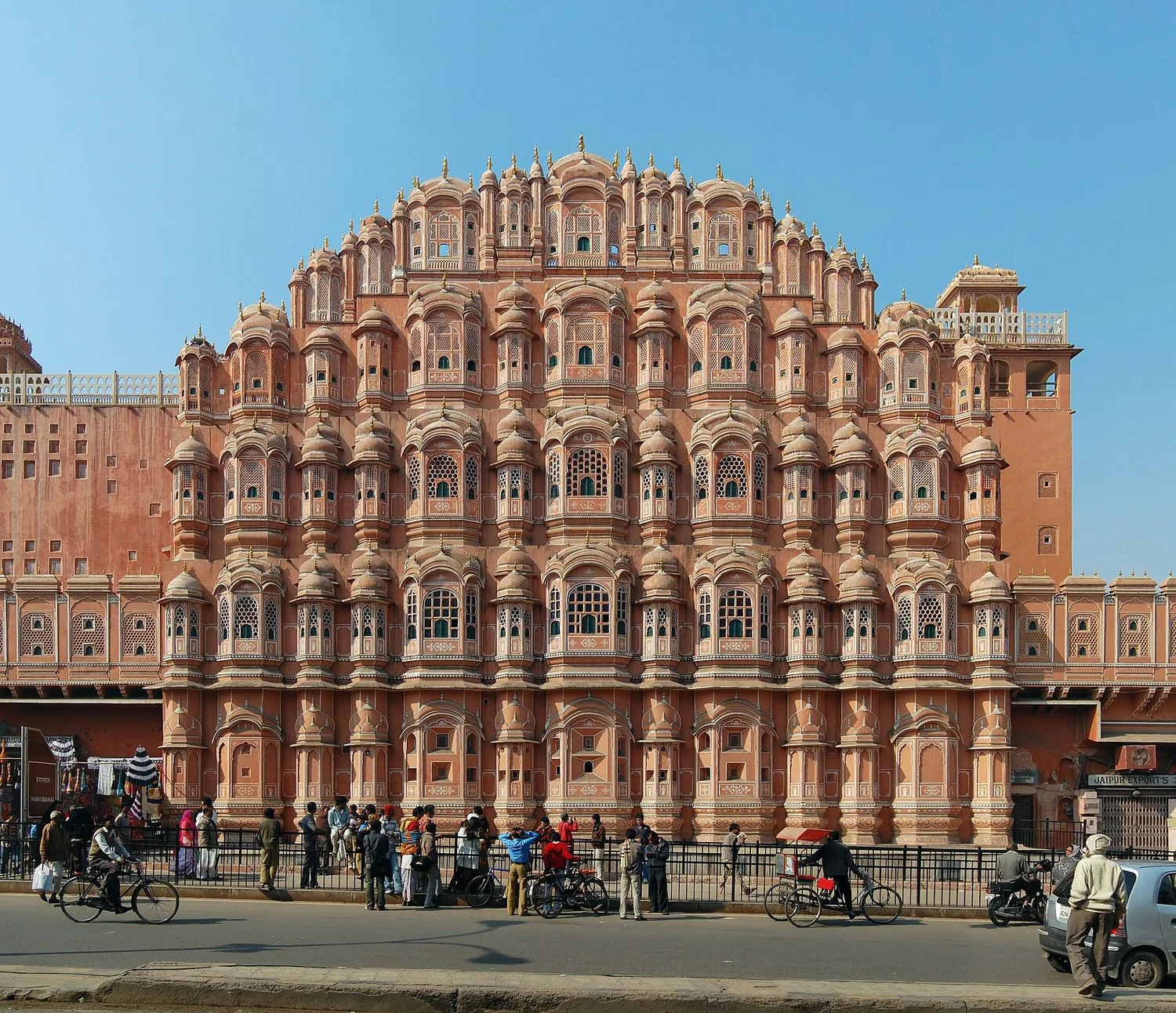
The observatory is within Jaipur’s walled city beside City Palace, so a car may need to stop at a designated outer lane. Ask the driver to use the legal parking or drop point given by local staff; do not request a wait in the bazaar traffic. A sedan or hatchback is convenient for two to four guests, while larger vehicles should use an agreed wider-road meeting place. You can walk to City Palace and Hawa Mahal, then call the driver when the group is ready to continue.
How can you combine the observatory with nearby sights?
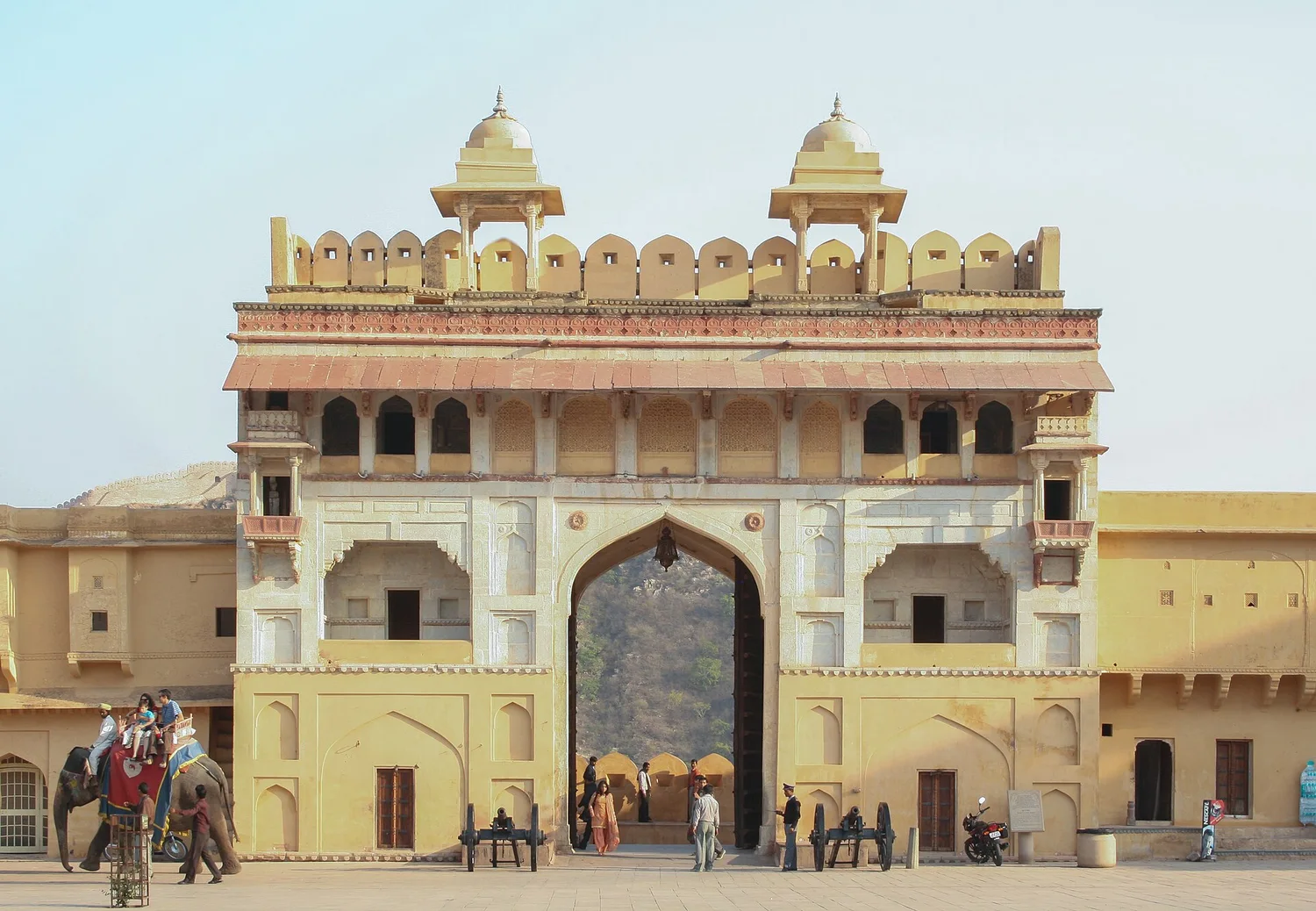
Pair the instruments with a visit to City Palace, then take a short walk to Hawa Mahal or a taxi to Albert Hall. The half-day Jaipur tour works for an old-city-focused plan; the full-day route can add Amer. Keep ticket queues and lunch time in the estimate, especially on weekends. A driver can help sequence the stops, but entry fees, guide charges and parking should be listed separately in the cab quote.